Smart Home Automation
and Energy Monitoring in Canada

Reference materials covering occupancy sensors, programmable thermostats, solar monitoring dashboards, and device integration through open-source platforms — written for Canadian residential conditions.

Home automation control system overview

Featured Guides

Three areas where Canadian homeowners typically start when building an automated home energy setup.

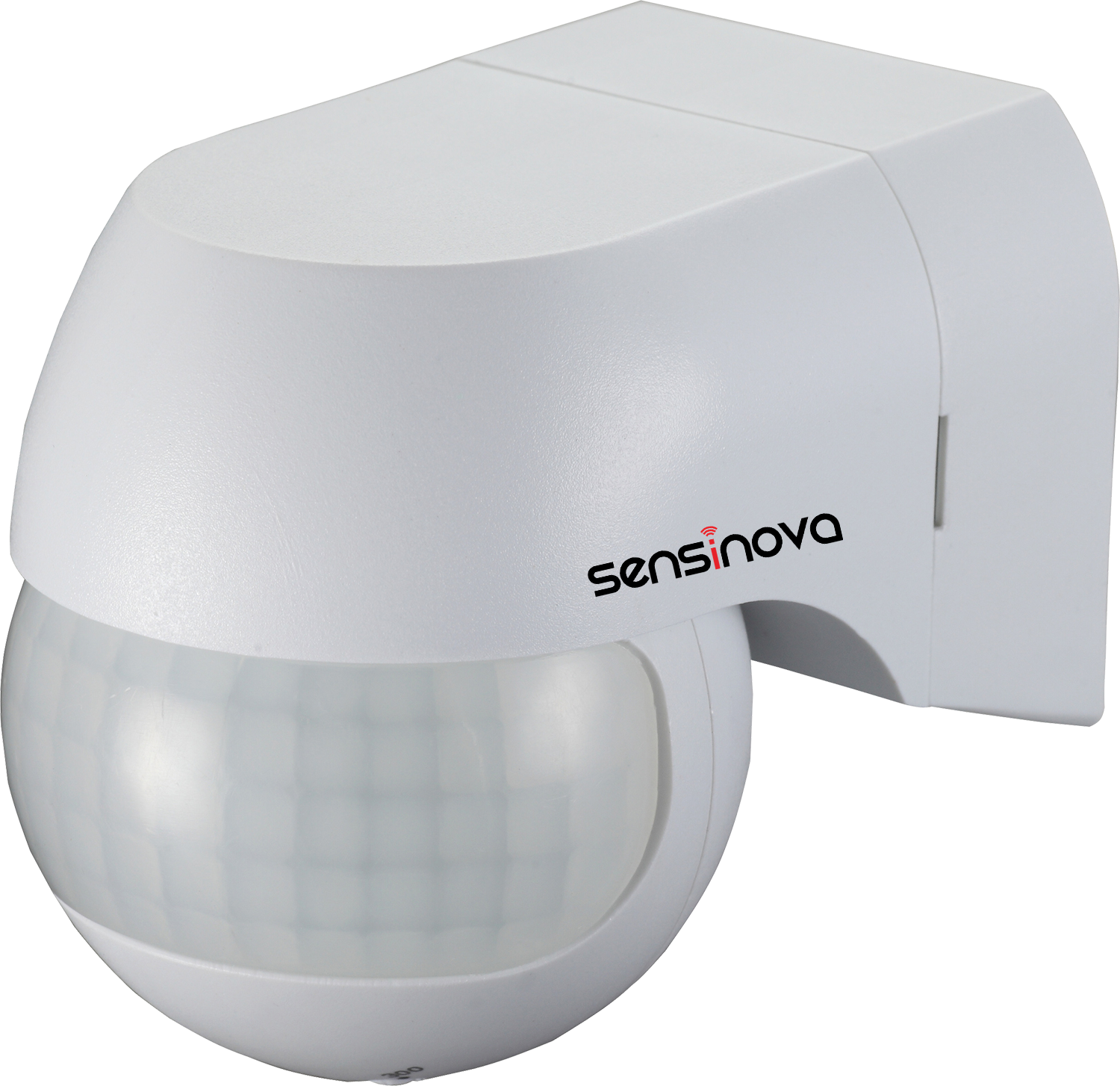
PIR occupancy sensor close-up

Occupancy Sensors

How passive infrared and microwave sensors detect room presence and feed that data to automation rules that cut standby energy use.

Read guide →
Smart thermostatic radiator valve

Programmable Thermostats

Comparing scheduling approaches, HVAC compatibility, and zoned heating strategies for homes in Canadian climate zones 4 through 7.

Read guide →
Technicians installing residential solar panels

Solar Monitoring Dashboards

Setting up real-time generation and consumption tracking using open-source tools connected to Canadian grid-tied solar installations.

Read guide →

Open-Source Platforms for Canadian Homes

Home Assistant and openHAB run locally, avoid cloud subscriptions, and handle the range of protocols — Z-Wave, Zigbee, Matter — commonly found in devices sold at Canadian retailers. Both platforms have active communities with Canadian climate-specific automation templates.

Device Integration Notes

Recent Articles

Detailed write-ups on installation, configuration, and real-world performance of home automation hardware.

Energy Monitoring Beyond the Smart Meter

Provincial smart meters record total consumption, but they don't show which circuits are drawing power at any given moment. Sub-metering hardware placed on individual breakers — paired with a local dashboard — provides that circuit-level view without monthly subscription fees.

Solar & Energy Dashboard Notes
Home energy sensor attached to household appliance

How These Guides Are Put Together

Each article on this site documents specific hardware models, configuration steps, and measurement results from installations in Canadian homes. The focus is on approaches that work with local grid interconnection rules and the heating degree-day profiles of Canadian climate zones.

Where relevant, guides include links to Natural Resources Canada (NRCan) technical standards and provincial utility rebate programs that apply to the equipment being described.

About This Resource
  • PIR and microwave sensor placement for Canadian-layout homes
  • Thermostat wiring diagrams for forced-air and hydronic systems
  • Solar inverter communication protocols supported in Canada
  • Z-Wave and Zigbee frequency bands approved by ISED Canada
  • Home Assistant configuration examples for Canadian time zones
  • NRCan EnerGuide-compatible measurement approaches

Questions About a Specific Setup?

Use the contact form to describe your existing system and the outcome you're trying to achieve. Responses typically focus on which documentation applies to your case.

Get in Touch